Author

Barbara L.

Browsing

In our pursuit of holistic health, the significance of digestive well-being often takes center stage. Recognizing the pivotal role our digestive system plays, ancient wisdom and modern science converge to spotlight two remarkable allies: ginger and dates. Harnessing their potent properties, we embark on a journey toward optimal health and vitality.

The Healing Harmony of Ginger

Anti-Inflammatory Wonder: Ginger, revered for centuries in traditional medicine, boasts formidable anti-inflammatory properties. It serves as a natural remedy for a spectrum of digestive woes, from nausea to bloating and gas.

Dates: Nature’s Nutrient Powerhouse

Fiber-Rich Marvel: Dates, nature’s gift abundant in fiber, vitamins, and minerals, nurture a healthy digestive tract. Their gentle cleansing action supports intestinal health, contributing to overall well-being.

Crafting the Digestive Elixir

Ingredients:

  • 1-2 inches of fresh ginger root
  • 4-5 pitted dates
  • 1 liter of water

Preparation:

  1. Prepare the Ingredients: Thinly slice the ginger and chop the pitted dates to enhance flavor infusion.
  2. Simmer: In a large pot, bring water, ginger, and dates to a gentle boil, then simmer for 20 minutes to infuse the elixir with their nutritive essence.
  3. Strain and Serve: After simmering, strain the mixture to yield a soothing elixir, to be enjoyed warm or chilled based on preference.

Nurturing Wellness, One Sip at a Time

Embrace this ginger and date elixir as more than a remedy; it’s a proactive stride toward digestive harmony. By calming the stomach, bolstering liver function, and fostering intestinal cleanliness, this natural tonic becomes a cornerstone of your wellness journey.

Embrace the Wisdom of Nature

Incorporating these gentle yet powerful solutions into our daily rituals can wield profound effects on our health. So, when seeking relief from digestive discomfort or aiming to fortify gut health, heed the call of nature’s bounty—ginger and dates. Here’s to your health and the joy of a thriving digestive system!


Cucumbers, beloved for their versatility and ease of cultivation, can reach new heights when grown in a herringbone pattern. This innovative approach optimizes space, promotes plant health, and adds visual appeal to your garden. Here’s why and how you should consider adopting this method for your cucumber plants.

Embracing the Benefits of a Herringbone Pattern

  1. Maximizes Space: Planting cucumbers in a herringbone pattern allows for efficient use of limited garden space, maximizing yield.
  2. Improves Air Circulation: The structured arrangement enhances airflow between plants, reducing the risk of diseases caused by stagnant moisture.
  3. Enhances Sunlight Exposure: Each cucumber plant receives ample sunlight, crucial for robust growth and abundant fruiting.
  4. Facilitates Harvesting: The organized layout makes it easier to spot and pick cucumbers, simplifying the harvesting process.
  5. Aesthetic Appeal: The distinctive herringbone pattern adds an element of visual interest and organization to your garden landscape.

Step-by-Step Guide to Growing in a Herringbone Pattern

Step 1: Planning Your Space

  • Location: Choose a sunny spot with well-draining soil.
  • Soil Preparation: Enrich the soil with compost or manure.
  • Spacing: Allocate at least 18 inches of space around each cucumber plant.

Step 2: Creating the Herringbone Structure

  • Materials: Gather sturdy stakes (e.g., bamboo) and garden twine or netting.
  • Installation: Place parallel stakes 18 inches apart and intersect them at the top to form ‘X’ shapes. Connect the stakes with twine or netting for support.

Step 3: Planting and Training the Cucumbers

  • Sowing Seeds: Plant cucumber seeds at the base of each stake and keep the soil consistently moist until germination.
  • Training the Vines: Guide the cucumber vines up the stakes using soft ties or clips. Prune lateral branches for vertical growth and airflow.

Step 4: Ongoing Care

  • Watering: Keep the soil consistently moist without waterlogging.
  • Fertilizing: Apply a balanced fertilizer every 4-6 weeks during the growing season.
  • Pest and Disease Management: Monitor for pests and diseases, and use organic remedies as needed.

Step 5: Harvesting

  • Timing: Harvest cucumbers when firm and bright green.
  • Method: Cut the cucumbers from the vine with sharp scissors or a knife to avoid damaging the plant.

Conclusion

Growing cucumbers in a herringbone pattern is a practical, space-efficient, and visually appealing method that enhances both productivity and aesthetics in your garden. By following these steps and providing proper care, your herringbone cucumber garden will thrive, yielding abundant and delicious produce throughout the season. Happy gardening!

Have you ever gazed upon your garden and pondered if a hidden gem lies among the greenery? Well, if lavender thrives in your space, consider yourself in possession of a plant as valuable as a gold mine! This delightful herb, adorned with its soothing purple blooms and fragrant aroma, offers more than just visual and olfactory delights. Let’s delve into the treasure trove of benefits that just one leaf of lavender holds, revealing why this plant could be the most precious item in your home.

A Plant of Multifaceted Wonders

Lavender, with its delicate flowers and robust scent, is renowned for its ability to calm the mind and soothe the soul. Yet, its leaves, often overshadowed, possess their own unique magic:

1. Natural Relaxant: A single leaf of lavender holds the key to relaxation. Whether infused in a bath, crafted into a homemade pillow sachet, or simply rubbed between your fingers to release its calming scent, lavender leaves can help alleviate stress and cultivate a tranquil environment.

2. Aid for a Good Night’s Sleep: Lavender’s fragrance is a trusted ally in the pursuit of restful sleep. Placing a few leaves under your pillow or near your bed can create a peaceful atmosphere conducive to quality sleep, gently guiding you into dreamland.

3. Kitchen Marvel: Beyond its calming qualities, lavender can elevate culinary creations. When used sparingly, its leaves impart a unique floral note to dishes, enhancing the flavor profile of baked goods and refreshing beverages. Imagine a hint of lavender in your lemonade or cookies—it’s a simple touch that can make a world of difference.

4. Home Remedy Hero: Lavender leaves boast antiseptic and anti-inflammatory properties, making them a fantastic natural remedy for minor cuts, burns, and insect bites. A quick poultice of crushed leaves applied to the affected area can provide relief and aid in healing.

Conclusion: Embracing Lavender’s Bounty

In essence, the true value of lavender transcends its beauty, extending into the multitude of benefits it brings into our lives. This plant, particularly its versatile leaves, serves as a testament to nature’s generosity. Whether flourishing in your garden or adorning your home, cherish lavender as the treasure it is. You never know when you’ll need to tap into its gold mine of benefits, enriching your life in myriad ways.

Imagine your floors going from dull to dazzling in just a minute—all without the use of harmful chemicals. For those of us who prioritize a clean, inviting home free of harsh substances, this may sound like a dream come true. The secret lies in two common kitchen ingredients: vinegar and baking soda. Cleaning services everywhere are taking note of this dynamic duo, and now you can too. Let’s delve into how you can use them to quickly revive the shine of your flooring.

Why Vinegar and Baking Soda?

When it comes to cleaning hard flooring surfaces like tile or laminate, vinegar’s inherent acidity makes it a remarkable cleaner and shine restorer. Baking soda acts as a mild abrasive that, when combined with vinegar, effectively removes tough dirt and grime from floors without causing damage. Together, they work harmoniously to clean and deodorize, bringing a renewed vibrancy to any room they touch.

The Magical Concoction: A Natural and Safe Cleaning Solution

To create this incredible floor cleaner, you’ll need:

  • 1 cup of white vinegar
  • 1 teaspoon of baking soda
  • Hot water
  • A bucket
  • Cloth or mop

How to Make Your Floors Shine:

  1. Gather the Ingredients: Mix the baking soda with warm water in a bucket. Add the vinegar gently to reduce fizzing. Fill the bucket with enough warm water and swirl gently to combine.
  2. Clean the Floors: Dip a mop or cloth into the solution and gently wring it out. Clean the floors as usual. If you’re concerned about potential damage, test the solution on a small, hidden area first. It should be safe for most types of flooring.
  3. Let Dry: Allow the floor to air dry naturally or use a clean, dry mop to speed up the drying process. Marvel at the newfound shine of your floors.

What Makes It Effective

In addition to cleaning, the vinegar and baking soda mixture restores the floor’s original sheen without leaving behind sticky residues often found with commercial cleaners. Not only does this solution reduce exposure to synthetic chemicals in your home, but it’s also eco-friendly and safe for pets.

A Thorough Home Cleaning

This simple floor cleaning method will unveil your home’s natural beauty in no time—and it doesn’t rely on harsh chemicals. It’s proof that sometimes, the most effective solutions are the simplest, utilizing items you likely already have on hand. Give this vinegar and baking soda solution a try, and join the many who have discovered how to thoroughly clean their floors without harming the environment.

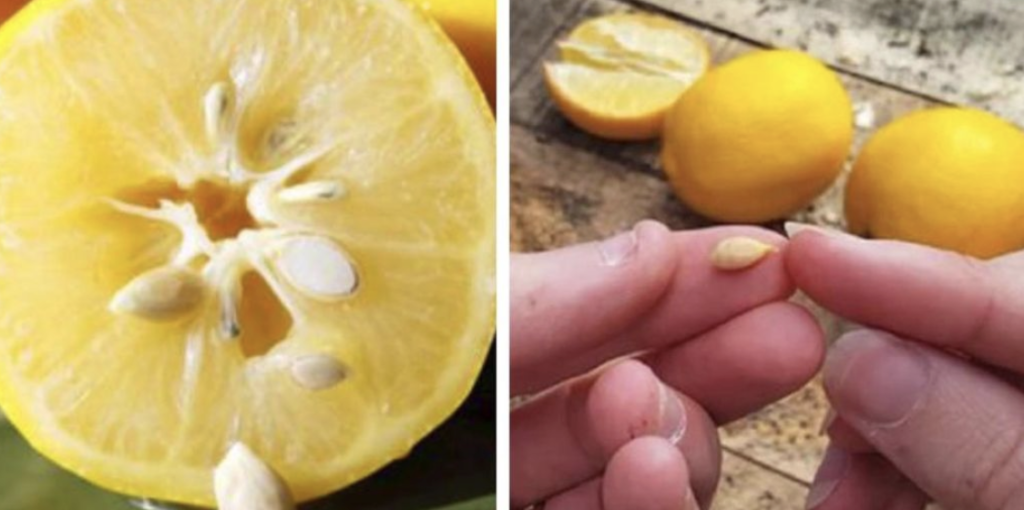
Lemon seeds, often overlooked and discarded, hold untapped potential that can add value to your culinary endeavors and home environment. Here’s how you can make the most of these tiny treasures:

1. Cultivate Your Own Lemon Tree

  • Save and Dry Lemon Seeds: After juicing a lemon, rinse the seeds under room temperature water and spread them on a paper towel to dry. Peel off the outer layer of the seeds with tweezers.
  • Initiate Germination: Place the dried seeds between layers of damp cotton in a shallow dish. Keep the cotton moist and the area humid to encourage germination.
  • Transfer to Pot: Once the sapling develops roots, transfer it to a small pot filled with soil and perlite for proper drainage. Provide regular care, warmth, and consistent moisture for optimal growth.

2. Create Natural Fresheners

  • Harness Citrus Aroma: Rinse lemon seeds without removing the skin, as they retain their citrus scent even after washing.
  • Use in Small Bags: Place the seeds in a small canvas bag and position them in drawers, closets, or bathrooms to freshen up the space. They can also be attached to radiators in winter to emit a delightful lemon fragrance, enhancing your home’s ambiance.

Discovering the versatility of lemon seeds adds a touch of nature’s magic to your daily life, whether through cultivating your own lemon tree or using them as natural fresheners. Don’t let these seeds go to waste; instead, unlock their potential and enjoy the benefits they offer.

Tomatoes are a beloved garden staple, but to maximize their health and productivity, proper pruning is essential. This guide will walk you through the importance of pruning tomatoes, when and how to prune them effectively, and provide insightful tips for a bountiful harvest.

Understanding the Importance of Tomato Pruning

Pruning tomatoes is crucial for several reasons:

  1. Improves Air Circulation: Pruning opens up the plant, reducing the risk of fungal diseases by allowing air to flow freely.
  2. Enhances Sunlight Exposure: Removing excess foliage ensures sunlight reaches the fruits, promoting healthy growth and ripening.
  3. Directs Energy to Fruit Production: By removing unnecessary shoots and leaves, the plant can focus its energy on producing larger, healthier fruits.

Preparing to Prune

Before you begin pruning, gather the necessary tools: clean, sharp pruning shears or scissors. Disinfect your tools before and after pruning to prevent disease spread.

Step-by-Step Pruning Process

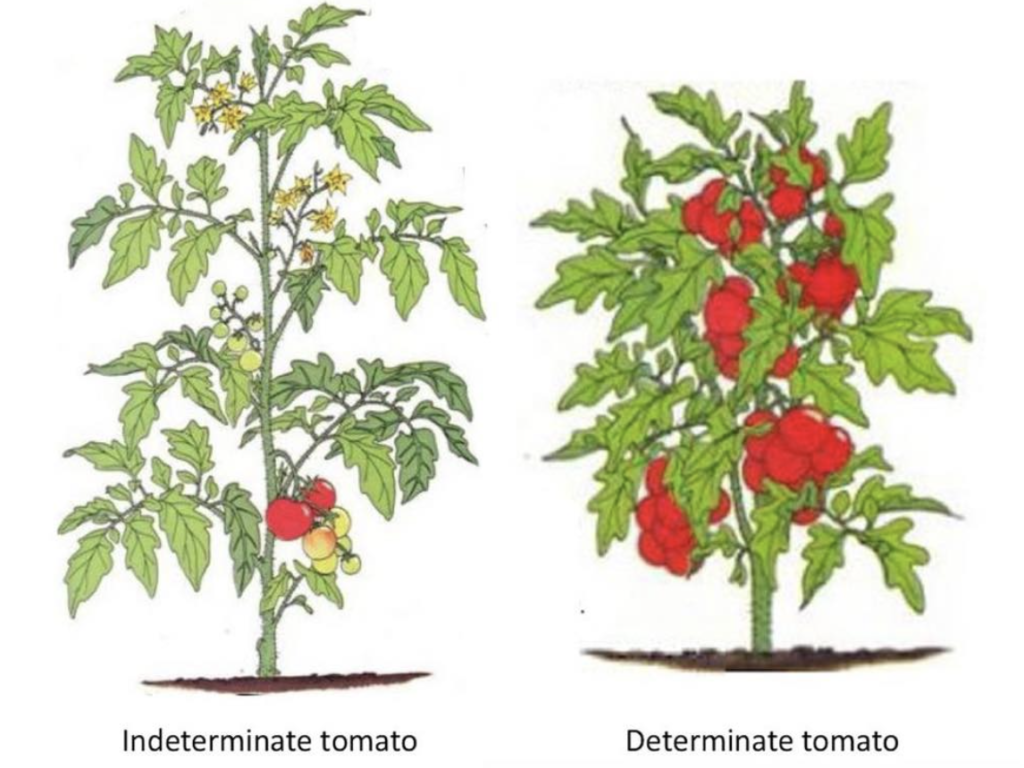
Step 1: Identify the Type of Tomato Plant

  • Determinate Tomatoes: Minimal pruning; remove suckers below the first flower cluster.
  • Indeterminate Tomatoes: Regular pruning needed to manage size and energy.

Step 2: Pruning Basics

  • Remove Suckers: Eliminate small shoots in the axils, focusing on indeterminate varieties below the first fruit cluster.
  • Prune Lower Leaves: Prevent soil-borne diseases by removing leaves close to the ground, especially after fruit set.
  • Thin Out Leaves: Improve air circulation and sunlight penetration by thinning middle leaves.

Step 3: Advanced Pruning Techniques

  • Topping Off: Cut off the top growing point of indeterminate plants a month before frost to direct energy into ripening fruit.
  • Missouri Pruning: Pinch off sucker tips, leaving one or two leaves, to balance leafy growth and fruit production.

Step 4: Regular Maintenance

  • Monitor Your Plants: Check regularly and prune as needed, preferably in the morning when plants are dry.
  • Support Your Plants: Stake, cage, or trellis plants for support, especially as they grow and bear fruit.

Step 5: Post-Pruning Care

  • Watering: Ensure plants receive enough water, focusing on the base to avoid wetting leaves and causing fungal diseases.
  • Fertilizing: Feed plants with balanced fertilizer, especially after significant pruning, to support growth.

Conclusion

Pruning tomatoes may seem daunting, but with practice, it becomes a rewarding part of tomato cultivation. By following these steps and understanding your plants’ needs, you can ensure a healthy, productive garden filled with delicious, sun-ripened tomatoes. Happy gardening!

Sweet potatoes are a delightful and nutritious addition to any home garden. Growing them in soil bags offers a convenient and space-saving solution, perfect for gardeners of all levels. Follow this comprehensive guide to successfully nurture sweet potatoes in soil bags and enjoy a bountiful harvest.

Essential Materials:

  1. Sweet potato slips: Young, rooted plants.
  2. Soil bags: Or large grow bags.
  3. Potting soil or compost: High-quality and well-draining.
  4. Watering can or garden hose: With a gentle spray nozzle.
  5. Fertilizer: Suitable for root vegetables.
  6. Garden trowel or hand spade: For planting and maintenance.
  7. Stakes or trellises: Optional for support.
  8. Mulch: Such as straw or leaves.

Step-by-Step Guide:

  1. Choosing the Ideal Location: Select a sunny spot with good drainage, ensuring at least 6-8 hours of sunlight daily.
  2. Preparing the Soil Bags: Fill soil bags with potting mix or a blend of compost and garden soil, leaving space at the top. Ensure the soil is loose and well-draining.
  3. Planting Sweet Potato Slips: Plant slips 4-6 inches deep in the soil bags, spaced 12-18 inches apart. Position them vertically with roots facing downward.
  4. Proper Watering: Water regularly to maintain uniform soil moisture, avoiding over-saturation. Water early in the morning to allow leaves to dry during the day.
  5. Fertilization: Apply a balanced, slow-release fertilizer according to package instructions, avoiding over-fertilization.
  6. Optional Support and Trellising: Consider using stakes or trellises for support, gently securing vines as they grow.
  7. Mulching: Apply mulch around plants to conserve moisture and suppress weeds, ensuring it doesn’t touch the stems.
  8. Harvesting: Sweet potatoes are ready for harvest 100-120 days after planting. Gently excavate around the base of the plant and lift tubers from the soil.
  9. Curing and Storage: Cure harvested sweet potatoes in a warm, humid location for 10-14 days before storing in a cool, dark place with proper ventilation.

Conclusion:

Cultivating sweet potatoes in soil bags is a rewarding and space-efficient way to enjoy this nutritious root vegetable at home. With proper materials and care, you can successfully grow sweet potatoes even in limited garden space or poor soil conditions. Follow this guide, and soon you’ll be harvesting your own delicious homegrown sweet potatoes. Happy gardening!

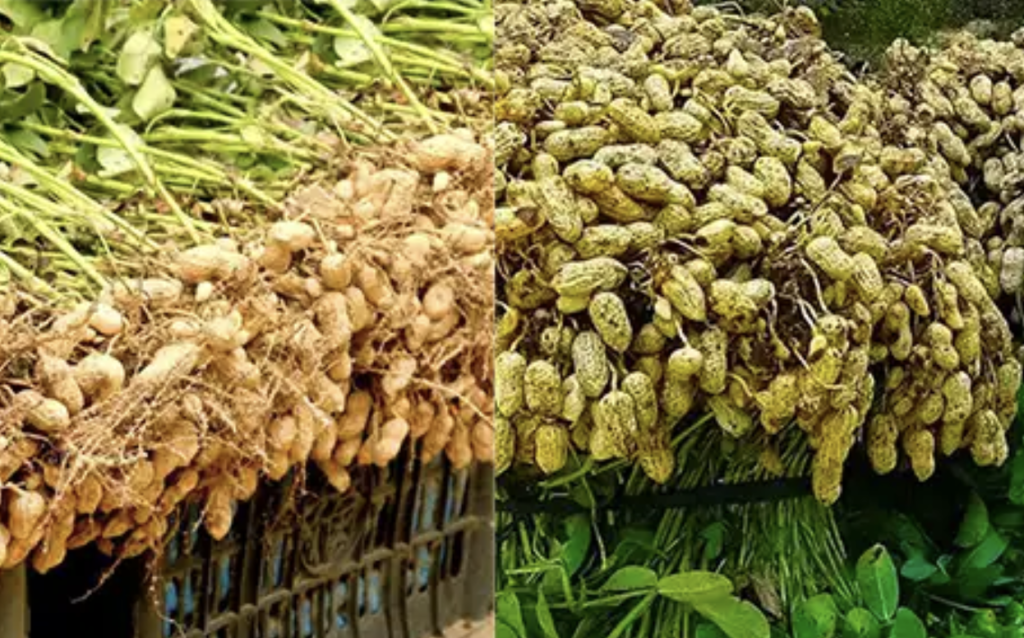
Growing peanuts at home in recycled plastic containers offers a rewarding and eco-friendly way to enjoy freshly harvested peanuts right from your garden. Follow this beginner’s guide for a satisfying gardening experience and a bountiful harvest.

Materials Needed:

  1. Recycled plastic containers: Ensure they are large enough to accommodate peanut plants and have drainage holes.
  2. Peanut seeds: Also known as peanut kernels.
  3. High-quality potting mix: Opt for a mix that provides good drainage and nutrient retention.
  4. Organic compost: Enhances soil fertility.
  5. Perlite or vermiculite: Improves drainage.
  6. Watering can or hose: For regular watering.
  7. Fertilizer: Balanced NPK fertilizer for plant nutrition.
  8. Mulch: Helps retain moisture and suppress weeds.
  9. Full sunlight area: Peanuts require at least 6-8 hours of direct sunlight.

Step-by-Step Guide:

  1. Selecting the Right Containers: Choose containers at least 12 inches deep with drainage holes to prevent waterlogging.
  2. Preparing the Potting Mix: Mix potting mix, compost, and perlite/vermiculite in equal parts for optimal soil structure.
  3. Planting Peanut Seeds: Plant seeds 1-2 inches deep and 4-6 inches apart in containers filled with prepared potting mix.
  4. Watering: Keep soil consistently moist, especially during flowering and pod development.
  5. Providing Sunlight: Place containers in a location with full sunlight exposure.
  6. Fertilization: Apply balanced NPK fertilizer every 3-4 weeks during the growing season, avoiding excessive nitrogen.
  7. Managing Growth: Support peanut plant growth by mounding soil around pegs as they elongate and enter the soil.
  8. Mulching: Apply mulch around plants to retain soil moisture and suppress weeds.
  9. Harvesting: Harvest peanuts when plants turn yellow and leaves begin to dry. Dry harvested peanuts in a warm, well-ventilated area for two weeks before removing from shells.
  10. Storing and Enjoying: Store dried peanuts in a cool, dry place. Roast or boil peanuts before consuming for optimal flavor.

Conclusion:

Cultivating peanuts in recycled plastic containers is a rewarding and accessible way to experience the joy of gardening and enjoy homegrown peanuts. With the right materials, proper care, and patience, you can successfully grow your own peanuts and savor the satisfaction of harvesting your own crop. Get ready to embark on this exciting journey and enjoy the fruits of your labor!

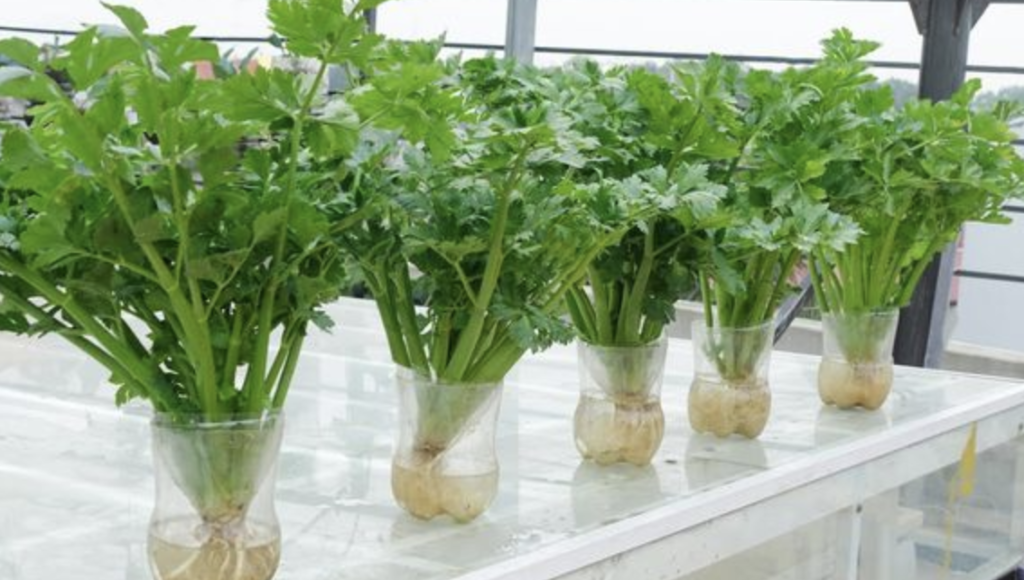
Growing your own fresh and crunchy celery has never been easier with this innovative method using plastic bottles. Let’s explore how you can transform ordinary bottles into thriving celery patches right on your windowsill.

Benefits of Using Plastic Bottles for Celery Growth

  1. No Soil, No Mess: This method eliminates the need for messy soil, making it a clean and convenient gardening option.
  2. Water-Wise Gardening: By recycling water within the bottle, you reduce water wastage and the need for constant watering.
  3. Space-Saving: Perfect for those with limited outdoor space, you can create a celery patch on your windowsill or balcony.
  4. Environmentally Friendly: Repurposing plastic bottles contributes to waste reduction and promotes sustainability.

How to Get Started

  1. Prepare Your Bottle: Cut a clean, clear plastic bottle in half, using the bottom half as your container. Create small drainage holes at the bottom.
  2. Save the Celery Base: Instead of discarding the base of celery, place it in a shallow dish of water until roots and new leaves sprout.
  3. Transfer to the Bottle: Once growth is evident, carefully transfer the celery base to the prepared bottle. Fill the bottle with water, ensuring roots are submerged while the top remains above water.
  4. Care and Harvest: Change the water every few days to maintain freshness. In a few weeks, your celery will grow beautifully. Harvest as needed, but avoid removing more than a third of the plant at a time.

Conclusion: A Satisfying Outcome

Growing celery in plastic bottles is a fulfilling experience that yields delicious results with minimal effort. It demonstrates the power of ingenuity and recycling in sustainable gardening. Whether you’re a seasoned gardener or a beginner, this project promises flavorful additions to your culinary endeavors. So, grab a plastic bottle and embark on a journey to enjoy home-grown, earth-friendly celery right from your windowsill!

Crash diets and rapid weight loss might yield temporary results, but they often lead to unhealthy cycles of weight gain. Instead, our approach focuses on healthy lifestyle changes that are satisfying and sustainable.

Why Crash Diets Don’t Work

Short-term diets often result in rebound weight gain, leading to a cycle of frustration and disappointment. Sustainable weight loss involves making lasting changes to your eating habits and lifestyle.

The 28 Day Weight Loss Challenge Approach

Our 28 Day Weight Loss Challenge emphasizes healthy eating, regular exercise, and realistic weight loss goals of around 4-6 kilos per month. Here are 10 tips to enhance your weight loss journey:

  1. Cut Out Added Sugar: Reducing added sugar intake can blast belly fat, boost energy levels, and improve skin health. Check labels for hidden sugars and explore healthier alternatives for your sweet cravings.
  2. Boost Protein and Fiber Intake: Lean protein and fiber-rich foods keep you feeling full longer, curb hunger pangs, and promote muscle building and digestive health. Incorporate nuts, eggs, lentils, and tofu into your meals.
  3. Eliminate Processed Foods: Cut back on processed and fast foods laden with extra calories. Opt for whole grains and wholemeal versions instead of refined carbs.
  4. Meal Planning: Plan your meals and snacks to stay on track with your calorie goals. Our 28 Day Weight Loss Challenge offers customizable meal plans to suit various dietary preferences and needs.
  5. Seek Support: Connect with friends or join online communities for support and motivation. Sharing experiences and tips can keep you accountable and inspired on your weight loss journey.
  6. Incorporate Strength Training: Squats and lower body exercises strengthen muscles, improve posture, and boost calorie burning. Combine with upper body exercises like push-ups for a full-body workout.
  7. Get Sweaty with HIIT: High-Intensity Interval Training (HIIT) is effective for blasting belly fat and boosting metabolism. Even short sessions can yield significant results when combined with a healthy eating plan.
  8. Stay Hydrated: Drinking water regularly suppresses appetite, boosts metabolism, and cleanses your body. Aim for adequate hydration to support weight loss and overall health.
  9. Portion Control: Balance your meals with appropriate portions of fruits, vegetables, whole grains, protein, and healthy fats. Our meal plans offer guidance on portion sizes for optimal nutrition.
  10. Incorporate Weight Training: Weight training builds lean muscle mass, which burns calories even at rest. It shapes and tones your body while improving strength and posture.

Embrace Sustainable Change

By following these tips alongside The 28 Day Weight Loss Challenge, you’ll foster healthy habits for long-term success. Remember, sustainable weight loss is about making realistic lifestyle changes that support your well-being and fitness goals.